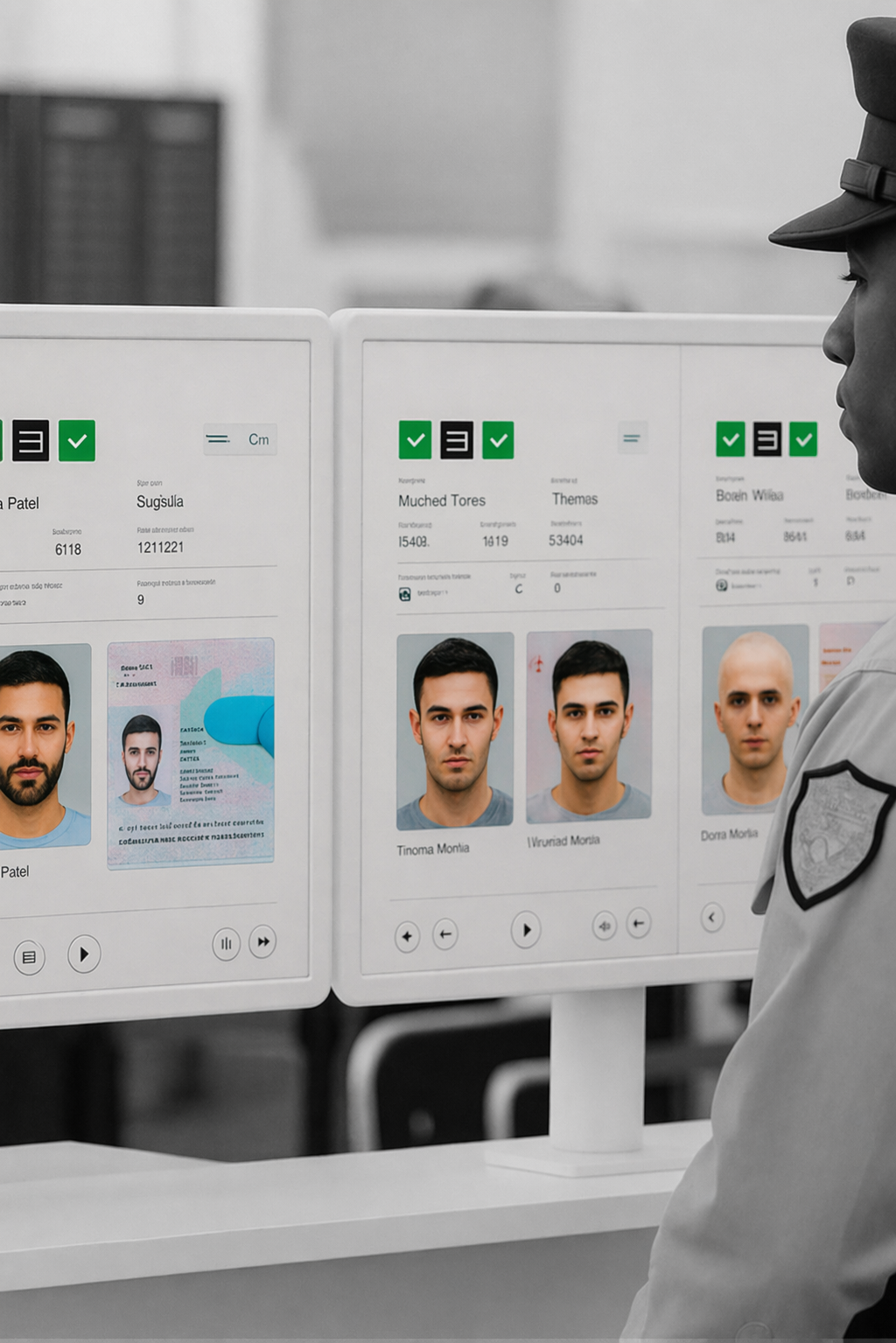
Psychology of identity management
Applying psychological science to improve real-world identity systems.

Faces are the primary window through which we perceive other people. Yet people vary widely in their ability to recognise identity, expression, and other facial cues.
We study face perception to understand how the brain represents people, and measure individual differences to map the network of perceptual and cognitive abilities that underpin social intelligence.
Our work spans behavioural experiments, brain imaging, eye tracking, and computational approaches, alongside applied collaborations on human factors in artificial intelligence systems, including computer vision, biometrics, and generative AI.
Applying psychological science to improve real-world identity systems.
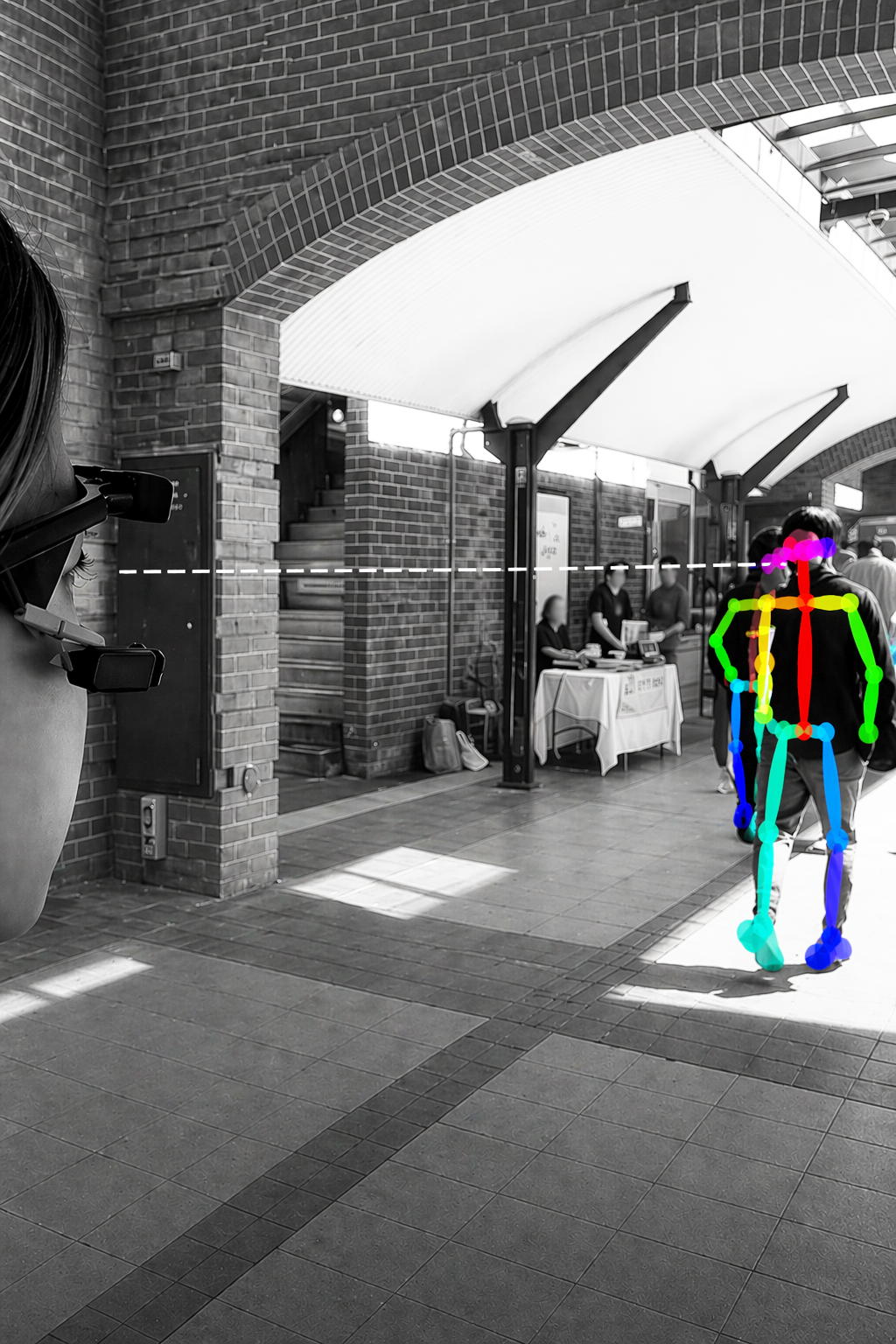
Using wearable eye tracking to understand visual attention during real-world social interaction.

ABC Radio National feature on research into human sensitivity to synthetic faces.

BBC Science Focus coverage of research on overconfidence in AI face perception.

The Guardian reports on research into exceptional face recognition ability.